Skip to content
Renewable Energy enclosures by Kay Switchgears

Certifications & Compliance

Key operating conditions and technical requirements to consider when specifying an enclosure for this industry.

01

Industry Challenges & Operating Conditions

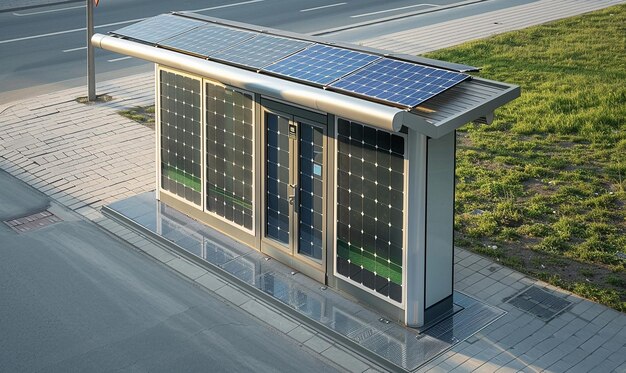
Renewable energy installations such as solar plants and wind power systems operate in outdoor environments where electrical equipment is continuously exposed to dust, sunlight, temperature variation, and moisture. Control panels and inverter systems must remain protected while operating for long periods without interruption. Another challenge is protecting electrical connections and monitoring equipment located near solar arrays or turbine systems. Enclosures must therefore provide reliable protection against environmental exposure while still allowing technicians to access panels for inspection and maintenance.

02

Technical & Compliance

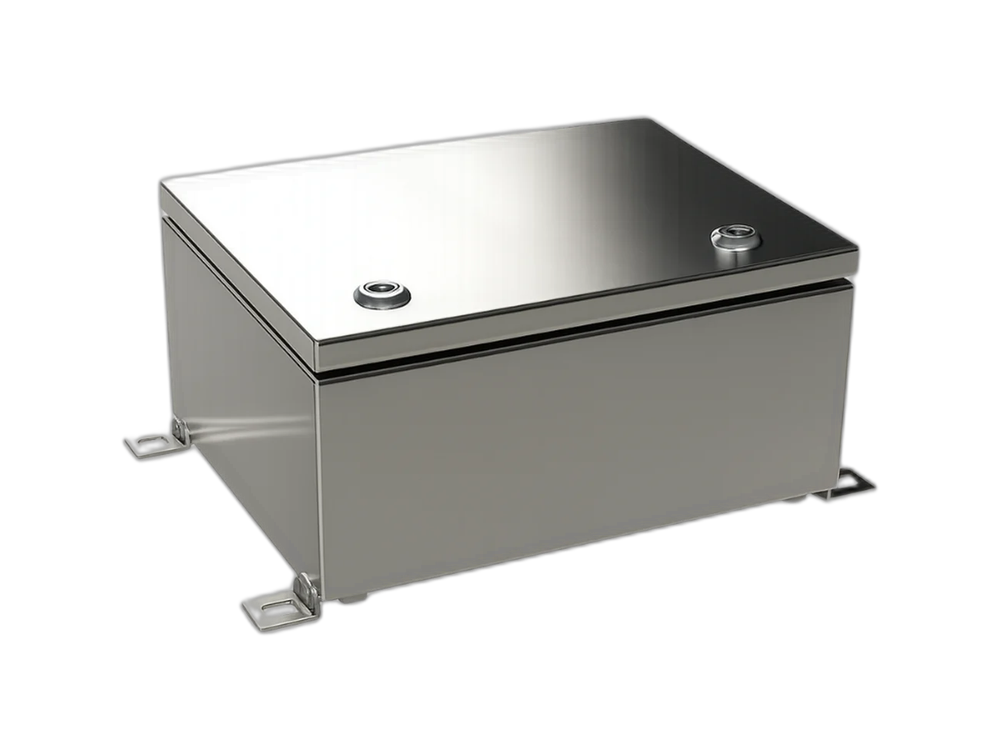
Renewable energy installations require enclosures capable of protecting electrical equipment in outdoor conditions. Stainless steel construction provides durability and resistance to environmental exposure. Protection levels such as IP65 or IP66 help prevent dust and moisture from entering the enclosure, which is important for panels installed near solar arrays or energy control equipment.

What to Consider When Selecting an Enclosure for Renewable Energy Systems

01

Outdoor & Weather Exposure

Renewable energy installations solar farms, wind turbines, and energy storage systems are predominantly outdoor. Enclosures must be rated for continuous outdoor service with appropriate IP protection against dust, rain, and UV exposure.

02

Temperature & Thermal Management

Outdoor enclosures in solar applications are exposed to high ambient temperatures. Internal heat generated by inverters, drives, and protection equipment must be considered when selecting enclosure size and ventilation arrangement.

03

IP Rating

IP65 is the minimum for most renewable energy outdoor installations. Coastal wind and solar installations with salt-laden air or heavy moisture exposure require IP66 or higher.

04

Corrosion Resistance

Sites near coastlines or in high-humidity zones require enclosures with appropriate surface treatment or stainless steel construction to prevent corrosion over the project's long operational life.

Explore Related Solutions

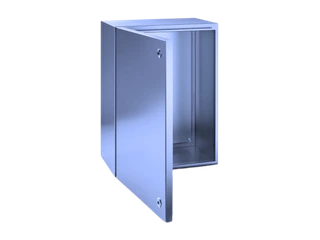
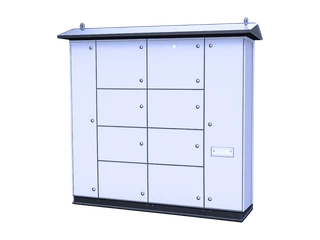
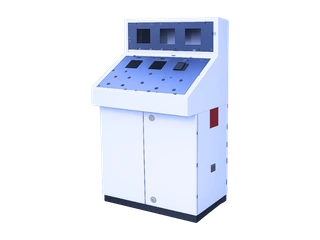
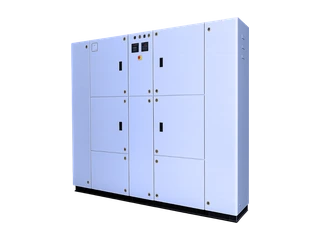
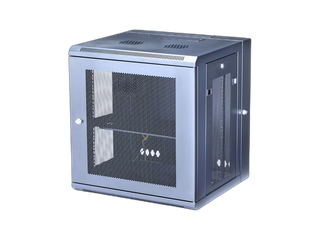
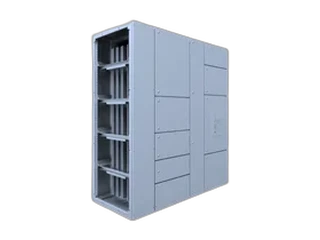
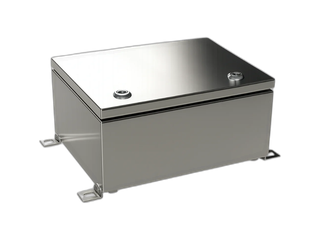
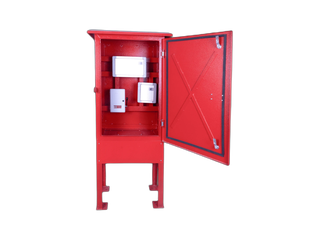
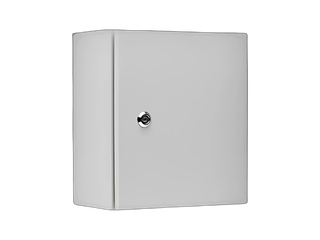
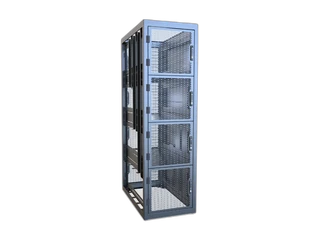
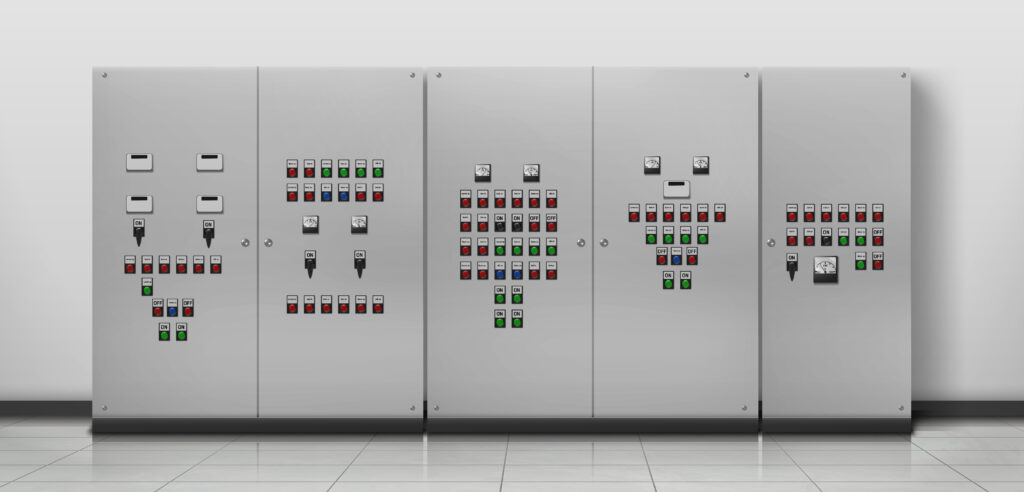
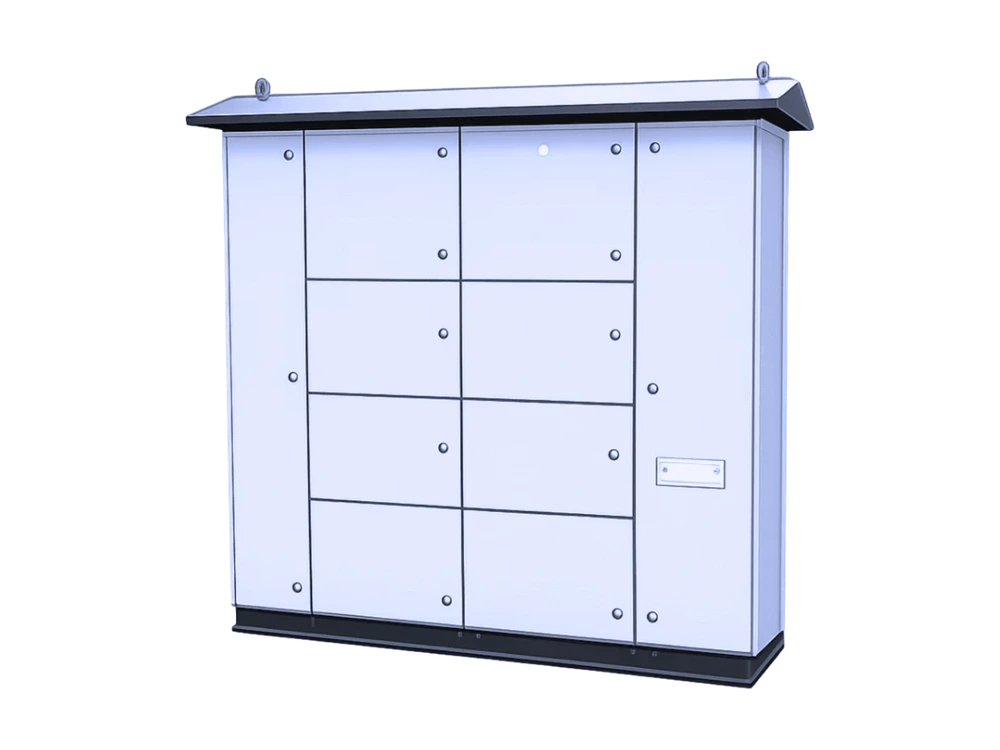
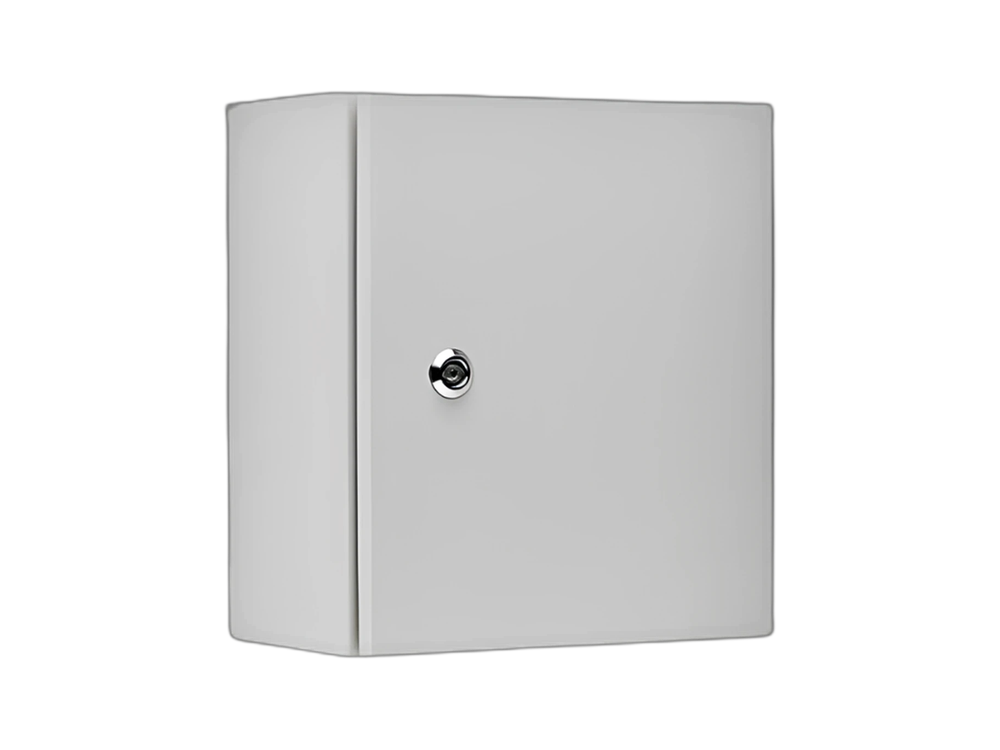
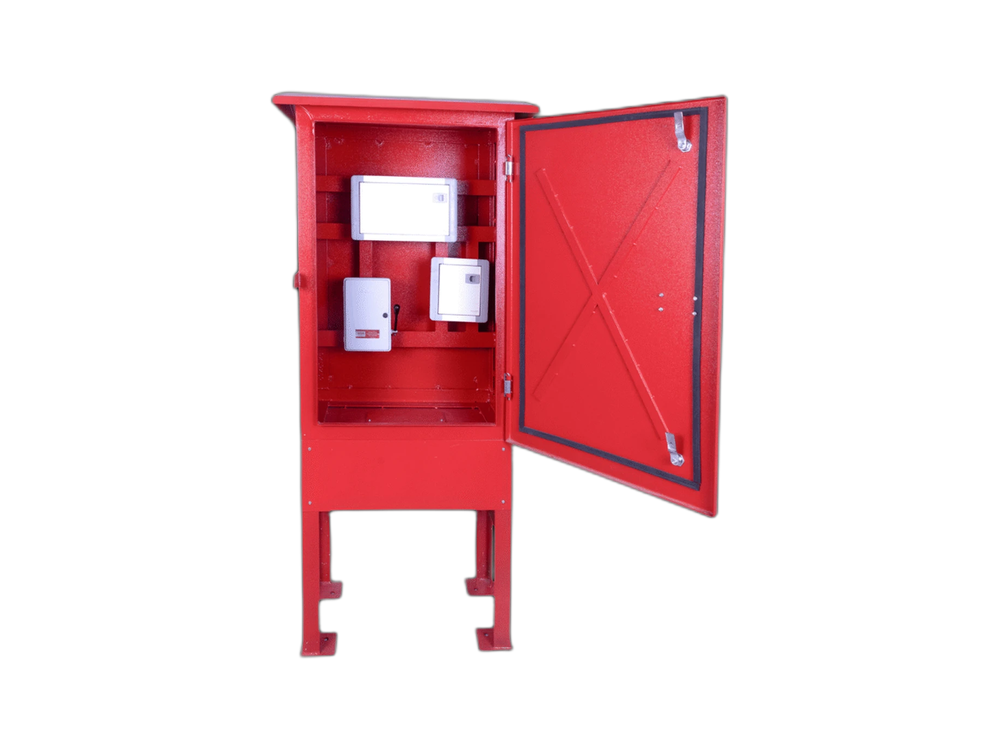
Our product range includes wall mount enclosures, floor standing enclosures, distribution boards, and custom-built enclosures designed to meet IS, IEC, and IP standards.

Frequently Asked Questions

Answers to help you select the right electrical enclosure for your application.

How do enclosures protect electrical equipment installed near solar panels?

Solar plants expose electrical systems to dust, heat, and weather conditions. Enclosures protect inverter panels, monitoring equipment, and wiring connections from environmental exposure while keeping the electrical system organized.

What type of enclosure is used for solar inverter and control panels?

Solar inverter systems typically require floor-mounted enclosures because these panels contain multiple electrical components, wiring connections, and monitoring devices that require more internal space.

How are cables from solar arrays managed inside the enclosure?

Enclosures used in solar installations include gland plates or cable entry provisions that allow multiple cables from solar panels to enter the cabinet safely without damaging wiring insulation.

Why is enclosure durability important in renewable energy plants?

Solar and wind installations operate continuously for long periods. Durable enclosures help protect electrical systems from weather exposure and reduce the risk of equipment damage or maintenance interruptions.

Looking for an enclosure solution for the Renewable Energy sector?

Our team will help you select the right enclosure based on environment, standards, and application needs.